 Tiếng Việt
 English
 中文
 Español
 हिन्दी
 Français
 Português
 Русский
 Deutsch
 日本語
 한국어
 Italiano
 Bahasa Indonesia
 ไทย
 বাংলা
 ລາວ
 မြန်မာ
 العربية
 فارسی
 اردو
 Українська
 Română
 Azərbaycan
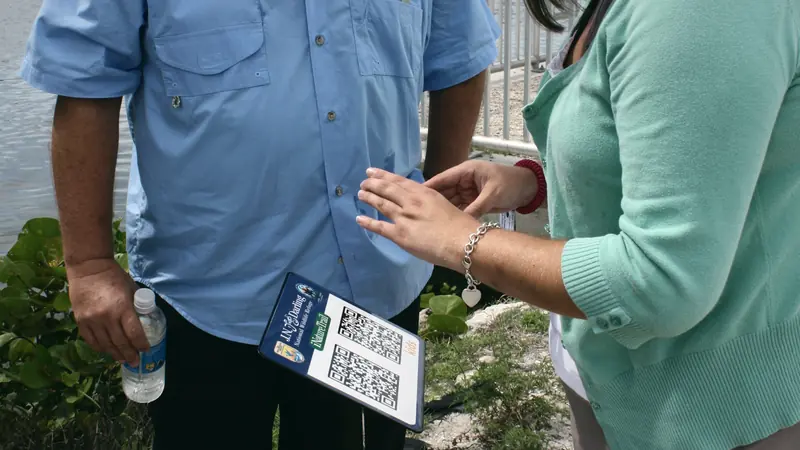
You pull into a crowded municipal parking garage during evening rush hour. Right above the automated payment terminal, a clean, laminated sticker catches your eye: "Skip the queue – scan here for rapid parking validation." You whip out your smartphone, aim your native camera app at the black-and-white matrix, and tap the prompt. A sleek payment portal opens, rendered identically to your primary banking provider. You enter your credentials, complete the one-time passcode (OTP) challenge, and wait for confirmation. Thirty seconds later, a series of urgent SMS debit notifications flood your lock screen: your account balance has been systematically liquidated through an offshore crypto gateway, and the parking gate remains shut tight.
You have just fallen victim to "Quishing" (QR code phishing)—a rapidly escalating cyber threat bridging physical spaces and digital deception. Unlike traditional text-based phishing emails where vigilant users spot clumsy typographical errors and forged sender domains, the human retina cannot decipher two-dimensional matrix barcodes. To the human eye, an authentic payment link and a weaponized credential harvesting payload look completely indistinguishable. Cybercriminals are aggressively turning this harmless convenience into a devastating vector for account takeovers.
Technical Anatomy: How Weaponized QR Payloads Subvert Defenses
A Quick Response (QR) code is fundamentally a two-dimensional barcode capable of encoding binary data, alphanumeric text, and URLs into structured modules with built-in Reed-Solomon error correction. When scanned, optical sensors parse these geometric clusters into string inputs, instantly prompting the operating system to dispatch the embedded link to the mobile browser.
+-------------------------------------------------------------+
|                TECHNICAL QUISHING ATTACK FLOW               |
|                                                             |
| [ Malicious Physical Decal Overlay ]                        |
|        |                                                    |
|        v                                                    |
| [ Camera Decodes Reed-Solomon Modules ]                     |
|        |                                                    |
|        v                                                    |
| [ Multi-Hop HTTP 302 Redirection Chain ]                    |
|        |                                                    |
|        v                                                    |
| [ Adversary Reverse Proxy (Evilginx Infrastructure) ]       |
|        |                                                    |
|        v                                                    |
| [ Dynamic Credential & Session Cookie Extraction ]          |
+-------------------------------------------------------------+
1. Physical Decal Tampering in Public Transit
Adversaries target public parking meters, restaurant dining tables, shared bicycles, and municipal transit kiosks by affixing high-resolution vinyl stickers directly over legitimate business codes. Commuters in transit or rushed diners rarely inspect the physical edges of the sticker before initiating payment flows.
2. Multi-Hop Redirection and Cloaking Infrastructure
Sophisticated quishing campaigns never encode the final phishing domain directly into the matrix. Instead, attackers route the initial probe through multiple intermediary HTTP 302 redirectors, URL shortening APIs, or compromised legitimate WordPress sites. Because the initial camera preview displays a harmless intermediate domain, automated operating system reputation filters classify the link as benign. Once the mobile browser initiates the handshake, the server inspects client headers (verifying a mobile User-Agent) before redirecting to the active credential harvesting portal.
3. Real-Time Reverse Proxy Session Hijacking
Contemporary quishing campaigns deploy reverse proxy frameworks such as Evilginx. Rather than simply logging static usernames and passwords into flat text files, the rogue server proxies user requests live to the authentic banking portal. When the victim enters their two-factor authentication token, the reverse proxy captures the resulting session authentication cookies directly from the HTTP response headers. Armed with valid session tokens, attackers sidestep password requirements entirely, achieving immediate account compromise without triggering conventional brute-force alerts.
Pragmatic Self-Defense: Neutralizing the Quishing Threat
Protecting your digital assets from matrix deception demands disciplined behavioral habits and technical validation:
- Physically Inspect Public QR Codes: Always run your finger across the code before scanning. If you detect an edge, an overlay sticker, or noticeable color variation compared to surrounding signage, assume the code has been maliciously swapped.
- Scrutinize the Fully Qualified Domain Name: Never rely on the truncated title previewed by your mobile camera. Inspect the browser address bar, ensuring the domain prefix matches the authentic organization exactly. Beware of typosquatting permutations and deceptive subdomains designed to mislead mobile viewports.
- Enforce Direct Application Payments: When settling transit fares or dining bills, open your dedicated banking app or transit application directly rather than following links presented by third-party stickers.
- Regularly Audit Exposed Network Data: Before processing sensitive transactions, inspect your external network identity with what is my ip and confirm routing telemetry via ip lookup.
Robust Digital Asset Protection with VPNRice
As quishing attacks increasingly orchestrate multi-vector assaults across physical environments and rogue web infrastructure, establishing proactive defenses at the transport layer is critical. VPNRice delivers the advanced security framework necessary to neutralize hostile digital diversions.
Powered by the next-generation RiceGuard protocol, VPNRice employs an intelligent DNS threat-filtering mechanism that blocks resolution requests destined for newly registered deceptive domains, known reverse-proxy infrastructure, and malicious command-and-control servers. Even if you accidentally interact with an adversarial redirector, VPNRice intercepts the request before malicious scripts can render inside your browser.
Furthermore, by encapsulating your entire data stream inside resilient ChaCha20-Poly1305 encryption, VPNRice protects your financial sessions against eavesdropping attacks on unencrypted public Wi-Fi networks. Verify your defensive posture with our webrtc leak test, and navigate the physical and digital landscape with confidence.
Safeguard your mobile banking and personal communications from emerging threats: