 Tiếng Việt
 English
 中文
 Español
 हिन्दी
 Français
 Português
 Русский
 Deutsch
 日本語
 한국어
 Italiano
 Bahasa Indonesia
 ไทย
 বাংলা
 ລາວ
 မြန်မာ
 العربية
 فارسی
 اردو
 Українська
 Română
 Azərbaycan
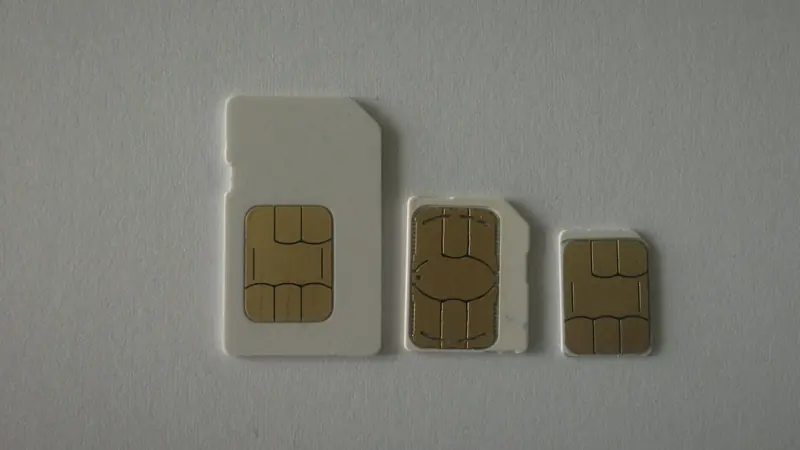
It is 2:15 AM on a quiet weeknight. On your bedside table, your smartphone screen flashes momentarily. The cellular signal indicator plummets to zero bars, replaced by an ominous status string: "No Service" or "Emergency Calls Only." Groggy and half-asleep, you dismiss it as a late-night carrier maintenance window and turn back to sleep. But by 6:00 AM, a catastrophic financial nightmare unfolds: your primary email recovery password has been reset, your online banking session is locked out following maximal cash withdrawals, and your cryptocurrency investment holdings have been irrevocably transferred to an anonymous offshore mixer.
You have fallen victim to an orchestrated SIM Swap and telecommunications SS7 routing interception attack. The cybercriminals never touched your physical smartphone, nor did they plant stealth malware on your operating system. Instead, they weaponized the single greatest vulnerability of the modern internet: treating an insecure cellular telephone number as an infallible identity verification token.
Technical Mechanics: How Attackers Hijack Your Mobile Identity
To intercept SMS one-time passcodes (OTPs), sophisticated adversaries exploit human procedural weaknesses within cellular service providers as well as legacy protocol designs within international telecommunications routing.
+-------------------------------------------------------------+
|               SIM SWAP & SS7 INTERCEPTION VECTOR            |
|                                                             |
| [ OSINT Identity Harvesting ] ---> [ Telecom Impersonation ]|
|                                            |                |
|                                            v                |
| [ Victim Handset Loses Signal ] <-- [ New SIM Activated ]   |
|                                            |                |
|                                            v                |
| [ Banking Password Reset ] <------- [ Incoming OTP Diverted]|
|                                                             |
| * SS7 Global Routing Updates Silently Redirect SMS Packets  |
+-------------------------------------------------------------+
1. Social Engineering SIM Swap Fraud
Adversaries harvest your personally identifiable information (PII) from commercial credential dumps and social media profiles: full name, date of birth, home address, and government identification numbers. Armed with this dossier, they walk into a cellular carrier retail store or contact telephone support, claiming your handset was lost or damaged. By manipulating or bribing carrier personnel, they activate a blank SIM card tied to your account. The moment the carrier switches the International Mobile Subscriber Identity (IMSI) registration, your physical handset is disconnected, and all inbound traffic routes to the adversary.
2. Signaling System No. 7 (SS7) Protocol Exploitation
Even without physically swapping your SIM card, well-funded attackers exploit architectural flaws in Signaling System No. 7 (SS7)—a telecommunications protocol suite established in the 1970s that operates without cryptographic message authentication. By purchasing legitimate or black-market access to an SS7 gateway, an attacker dispatches SendRoutingInfoForSM and UpdateLocation packets to your home network. The carrier cellular registry is tricked into believing your phone is roaming abroad, silently redirecting inbound SMS authentication codes to an interception station across the globe while your phone appears connected.
3. Rapid Account Liquidation
Once inbound SMS traffic is under hostile control, the adversary initiates automated "Forgot Password" workflows across major financial, cryptocurrency, and email platforms. Inbound multi-factor authentication tokens are captured in real time, allowing password overrides and instant fund transfers within minutes.
Essential Defense: Transitioning Beyond SMS Verification
Guarding your financial assets against cellular identity theft requires dismantling your reliance on carrier-routed communication channels:
- Eradicate SMS-Based Two-Factor Authentication: Immediately remove mobile telephone numbers as the primary 2FA method across sensitive accounts (banking, Google, Apple ID, crypto exchanges). Migrate to time-based one-time password (TOTP) authenticator apps or hardware security keys (FIDO2/YubiKey).
- Establish a Carrier Account Passcode: Contact your mobile network operator and set a strict Verbal PIN (Port-Out Passcode). Ensure your carrier policy mandates in-person government ID presentation and PIN validation before any SIM reissuance or carrier porting.
- Treat Signal Dropouts as Critical Security Alerts: If your smartphone suddenly drops to "No Service" in an urban area with strong coverage, treat it as an emergency. Immediately connect to trusted Wi-Fi, verify account access, and contact your mobile carrier.
- Audit Your Exposed Network Identity: Periodically inspect your external routing configuration with what is my ip and review IP metadata using ip lookup.
Robust Digital Asset Protection with VPNRice
While hardware authentication keys defend your account logins, encrypting your active communication sessions shields against localized network eavesdropping and cellular surveillance. VPNRice delivers an essential security perimeter for mobile communications.
Built upon the high-throughput RiceGuard protocol, VPNRice wraps your mobile internet traffic in resilient ChaCha20-Poly1305 encryption. Whether utilizing public wireless hotspots or mobile data connections, your banking sessions and authenticator sync packets are securely encapsulated, shielding traffic against Rogue Base Stations (IMSI Catchers) and local packet sniffers.
Supported by automated DNS leak mitigation and a certified zero-logs policy, VPNRice ensures your network interactions remain private. Execute our webrtc leak test to confirm connection integrity, and navigate the cellular ecosystem with confidence.
Take control of your mobile communications security: