Tiếng Việt
 English
 中文
 Español
 हिन्दी
 Français
 Português
 Русский
 Deutsch
 日本語
 한국어
 Italiano
 Bahasa Indonesia
 ไทย
 বাংলা
 ລາວ
 မြန်မာ
 العربية
 فارسی
 اردو
 Українська
 Română
 Azərbaycan
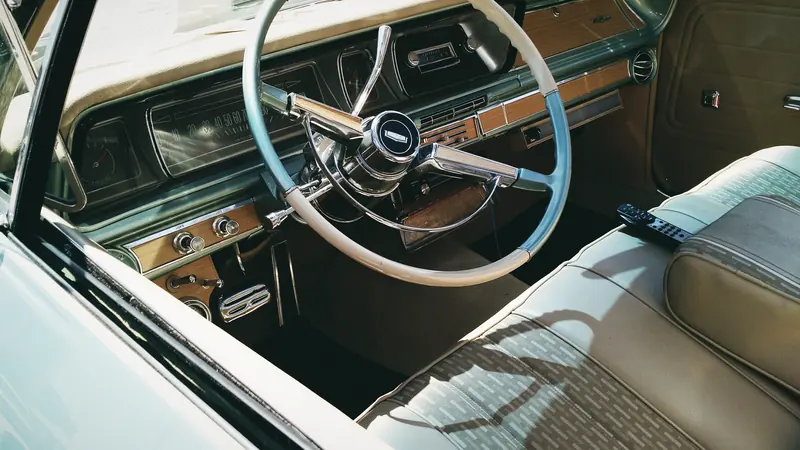
Modern passenger automobiles have evolved from mechanical transportation machines into complex, internet-connected mobile computing platforms. Today's connected vehicles and electric cars feature dozens of embedded microprocessors, integrated cellular eSIM modems, high-precision GPS antennas, cabin cameras, and voice-activated microphones. While these advancements enable real-time navigation, over-the-air firmware updates, and automated roadside assistance, they also turn personal vehicles into aggressive digital surveillance hubs.
Automotive telematics control units (TCUs) continuously gather granular operational telemetry. Every journey generates a high-resolution timeline recording exact GPS coordinates, driving speeds, rapid braking events, seatbelt sensor triggers, and cabin entertainment selections. Because vehicle telemetry is transmitted continuously over cellular carrier bands to automobile manufacturers and commercial data clearinghouses, drivers routinely face widespread profile harvesting without clear awareness or informed consent.
How Vehicle Telematics Harvest and Monetize Personal Data
1. Granular Real-Time Geolocation Tracking
Unlike smartphone operating systems that prompt users for explicit location permissions, connected vehicles treat location tracking as a default background condition. GPS receivers sample vehicle coordinates multiple times per second, establishing precise travel logs that reveal home residences, workplace addresses, medical clinics, children's schools, and political gatherings.
When combined with timestamped cellular tower identifiers and roadside Wi-Fi beacon probes, telematics data creates an immutable digital fingerprint of a driver's daily habits. In recent years, automotive data brokers have assembled massive location databases that can be matched against consumer advertising profiles or provided to insurance underwriters to adjust premiums automatically based on driving routes.
2. In-Cabin Wi-Fi Hotspots and Companion Mobile Applications
Most late-model vehicles offer in-cabin Wi-Fi hotspot subscriptions, routing wireless connectivity through an overhead roof antenna connected to a single cellular modem. When passengers link personal smartphones, tablets, or laptops to the vehicle's hotspot, all unencrypted web queries, DNS lookups, and unshielded app communications pass directly through the automaker's cellular gateway.
Furthermore, companion mobile apps installed on drivers' personal phones often request broad device permissions, including Bluetooth beacons, background location tracking, and contacts access. These companion apps cross-reference in-car diagnostic sensor feeds with smartphone behavioral markers, bridging the gap between vehicle telemetry and personal digital identities.
3. CAN Bus Sensor Telemetry and Cross-Platform Identity Linking
Inside the vehicle, internal Controller Area Network (CAN) bus architectures transmit hundreds of sensor messages every second, linking brake pressure, steering angle variations, vehicle occupancy weights, and infotainment volume changes. Modern telematics units package these micro-telemetry signals alongside cellular modem identifiers (IMEI and IMSI) and broadcast them across private APN tunnels to automaker infrastructure.
When vehicle owners sync their personal address books or stream music through mobile integration platforms like Apple CarPlay or Android Auto, software identifiers often bridge physical vehicle hardware with third-party advertising ecosystems. Marketing firms correlate vehicular dwell times at specific retail coordinates with consumer credit card purchase timestamps, generating invasive multi-dimensional behavioral profiles.
Practical Steps to Protect Driver Privacy
| Privacy Vector | Vehicle Vulnerability | Recommended Defensive Action |
|---|---|---|
| In-Cabin Wi-Fi Hotspot | Unencrypted browser traffic logged by automotive carrier | Encrypt all device traffic using an isolated virtual tunnel |
| Mobile Companion Apps | Background telemetry cross-referencing mobile ad identifiers | Restrict mobile app permissions and disable diagnostic sharing |
| In-Vehicle Web Browsing | Browser fingerprints linked to vehicle IP address | Route infotainment browsing through dynamic masked IP addresses |
| Location Telematics | Periodic OEM cloud uploads via cellular telematics unit | Review OEM privacy settings and opt out of commercial data sharing |
To mitigate unnecessary data harvesting while traveling, drivers should adopt clear defensive network practices:
- Audit Automaker Privacy Disclosures: Access your vehicle manufacturer's customer web portal to review connected service agreements. Opt out of voluntary telematics programs, third-party marketing partnerships, and driver score sharing.
- Verify Connected Network Identity: Whenever your mobile device connects to an in-vehicle Wi-Fi network, inspect your network parameters using my IP or IP lookup to identify the cellular carrier gateway and check for unencrypted transmissions.
- Enforce End-to-End Tunnel Encryption: Always activate an encrypted virtual tunnel on smartphones, tablets, and laptops before transmitting data across in-vehicle Wi-Fi hotspots.
Defending Mobile Vehicle Connectivity with VPNRice
As vehicular digital surveillance expands, maintaining control over your mobile communications requires proactive encryption. VPNRice shields personal data streams whenever you connect to vehicle Wi-Fi networks or travel with mobile devices.
By routing communications through VPNRice's RiceGuard protocol, all internet traffic leaving your smartphone or laptop is wrapped in robust ChaCha20-Poly1305 encryption. The vehicle's cellular gateway and automotive data brokers see only unreadable ciphertext, preventing them from logging your browsing destinations, DNS inquiries, or online transactions.
Take control of your digital travel privacy and protect your connected journeys today: