








Exclusive Offer
Get your Free 30 days access

While surfing the web or accessing online content, you may need to change your IP address to avoid geo-restrictions or to protect your privacy. VPN (Virtual Private Network) is one of the most commonly used technologies to change IP addresses and hide users' identities on the internet.
However, many people are still confused and don't know how to use VPN to change their IP address effectively. In this article, we will introduce you to 5 ways to easily and safely change your IP address with VPN.
What is VPN?
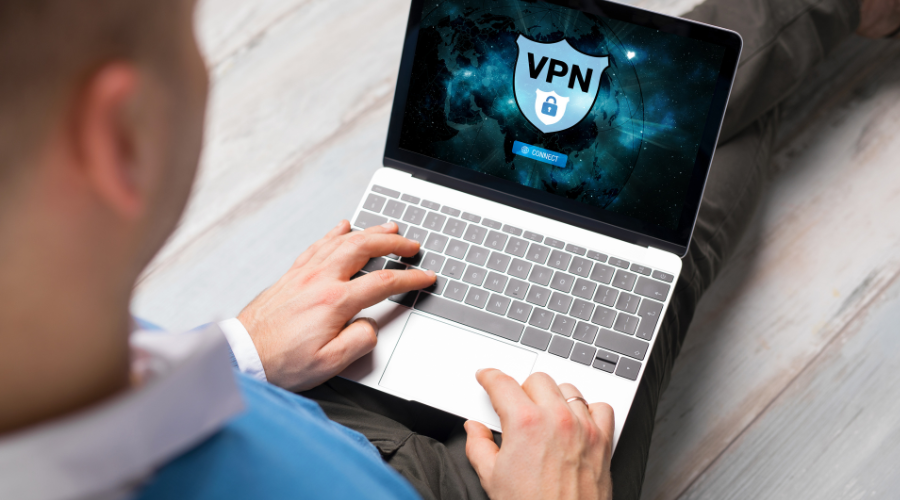
VPN (Virtual Private Network) is a networking technology used to create a safe and secure connection between two or more devices, using a public network (such as the Internet) to transmit data.
VPNs use encryption protocols and security methods to ensure that data transmitted over a VPN connection is secure and cannot be stolen or tampered with during transmission. This allows users to securely connect to remote networks and access network resources securely.
Why need to change IP address?
Changing your IP address can bring many important benefits when using the Internet. First, it helps you access restricted content that some countries or regions do not allow access through your IP address. This opens up the opportunity to experience more diverse online materials.
Additionally, changing your IP address can help you avoid unwanted surveillance and tracking from other organizations or individuals on the Internet. This protects your privacy and ensures that your online activity is not unnecessarily tracked.
Privacy protection is another important aspect of changing IP addresses. When you use an IP address that is not associated with your personal information, you create an additional layer of protection for personal data on the Internet.
Changing your IP address can also help you avoid cyber attacks or unwanted intrusions from others. However, it is important to remember that changing your IP address is not an absolute security measure and you should combine it with other security measures to ensure comprehensive online safety.
How does changing VPN change your location?
When you establish a connection to a VPN (Virtual Private Network) service, your computer creates a secure connection to a VPN server at a specific location. This process also changes your computer's IP address. Instead of using your real IP address, the computer will replace it with the IP address assigned by the VPN server you connected to.
If that VPN server is located in another country, your new IP address will reflect that location. For example, if you are in the US and connect to a VPN server in the UK, your new IP address will show that you are accessing from the UK, not the US. This means that when you browse the Internet through this VPN connection, websites and online services will look like you are accessing it from the UK, not the US.
Changing your location through the use of a VPN service can help you access content restricted in certain countries or regions, as well as protect your privacy on the Internet. However, it's important to note that switching locations with a VPN doesn't guarantee complete anonymity or absolute security online, and VPN services may collect your information. Therefore, choosing a reliable VPN service and using additional security measures is important.
Furthermore, changing your location using a VPN can affect your Internet connection speed. When you connect to a VPN server in another country, data has to travel a longer distance across the network to reach its destination, which can cause delays in your Internet connection speed. Internet connection speed can also be affected by the number of users using the same VPN server.
In total, changing your location using a VPN service can help you access restricted content or protect your privacy online. However, you need to consider issues related to security and Internet connection speed, and should use a reputable VPN service to ensure safety and efficiency in using the network.
Instructions on how to change VPN on your phone:
To change VPN on your phone, you can follow these steps:
Step 1: Find and install a VPN app on your phone. There are many different VPN applications on the market, you can search and download a VPN application that is reliable and suitable for your needs.
Step 2: Open the VPN app and log in to your account. After downloading and installing the VPN app, you need to open the app and log in to your account. If you don't have an account yet, you need to register a new account on the VPN service's website.
Step 3: Choose a VPN server to connect to. After logging in to your VPN account, you need to select a VPN server to connect to. Some VPN applications provide a list of different VPN servers, you can choose a VPN server in another country to change your IP address.
Step 4: Connect your phone to the VPN. After selecting the VPN server, you need to press the connect button to connect your phone to the VPN. After a successful connection, your IP address will be changed to the IP address of the VPN server you selected and you will be securely and privately connected online.
Step 5: Check your IP address again. After successfully connecting to the VPN, you can check your IP address again by using the search engine on your phone's browser or using the application to check IP address. If your IP address has changed to the IP address of the VPN server you selected, it means you have successfully changed the VPN on your phone.